
The House Always Wins: Understanding the Odds
Many gamblers enter casinos believing they can outsmart the establishment, but the phrase “the house always wins” encapsulates a crucial reality. Casinos design their games with a built-in advantage, referred to as the house edge. This mathematical edge ensures that over time, the casino earns a profit, especially when players engage with options like online casino neosurf that enhance their experience. Understanding the odds behind each game is essential for players who want to grasp why winning consistently is so challenging. The house edge acts as a reminder that while players may have short-term wins, the overall outcome will typically favor the casino.
The house edge varies from game to game. For instance, games like blackjack offer a lower house edge, which means players can potentially win more frequently if they employ skilled strategies. Conversely, games like slot machines often come with a higher house edge, making them less favorable for players in the long run. This variance illustrates that while some games may provide occasional wins, the overall probability is still stacked against the player. Understanding these nuances can help gamblers make more informed decisions about which games to play and how to manage their bankroll effectively.
Moreover, many players mistakenly believe that they can change their fortunes through techniques such as betting systems or patterns. While these strategies may create the illusion of control or methodical play, they do not alter the inherent odds of the games. The outcome of most casino games relies heavily on luck rather than skill, and that is the fundamental truth that players must confront if they wish to engage responsibly with gambling. Recognizing the limits of their influence over outcomes is essential for fostering a healthier gambling mindset.
Lucky Systems: Myths and Realities
One of the most pervasive myths in the gaming world is the idea of lucky systems. Many gamblers cling to the belief that certain strategies or rituals can influence the outcomes of their games. For example, some players might wear lucky clothing or believe that playing at specific times of the day will yield better results. However, these beliefs are nothing more than superstitions that lack a basis in reality. The outcomes of games of chance are determined by random processes, and rituals do not change the odds.
In games of chance like roulette or slots, each spin or deal is an independent event, unaffected by previous outcomes. This means that a player’s perceived lucky streak is merely a coincidence rather than a sign of skill or strategy. Understanding the random nature of these games is essential in debunking the myth of lucky systems. Players should focus on skill-oriented games like poker, where psychology and strategy play a significant role, rather than succumbing to false notions of luck in purely chance-based games.
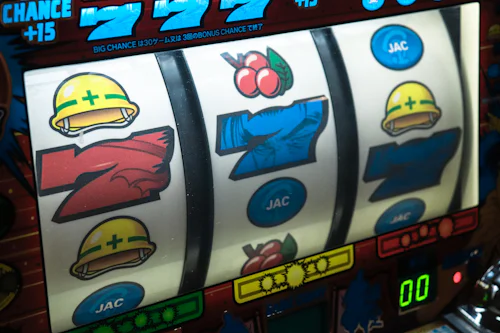
Furthermore, casinos are aware of these superstitions and often capitalize on them to enhance the gaming experience. The atmosphere within a casino is intentionally designed to invoke a sense of luck and excitement. From the sounds of winning machines to the visual appeal of vibrant graphics, casinos create an environment where players can easily get carried away by the thrill. Ultimately, players should recognize that while luck might play a part in short-term wins, it is not a sustainable method for beating the house. This understanding can help players approach their gaming experience with a more realistic mindset.
The Illusion of Control: Gambler’s Fallacy
The gambler’s fallacy is another prevalent misconception among casino-goers. This cognitive bias leads individuals to believe that past events can influence future outcomes in random games. For instance, if a roulette wheel lands on red several times in a row, some players might think that black is “due” for a win, thus misplacing their bets based on this false sense of control. This line of thinking severely undermines their potential for informed decision-making and can lead to significant losses.
The reality is that each spin of the roulette wheel is independent of the last. This concept extends to various casino games, reinforcing the idea that players cannot predict future results based on past outcomes. The random number generators used in digital games ensure that fairness and independence are upheld, further invalidating the gambler’s fallacy. Understanding this concept is vital to encourage rational betting practices and reduce the risk of chasing losses, which can lead to a downward spiral of financial repercussions.
Moreover, the emotional rollercoaster of gambling can exacerbate the gambler’s fallacy. When players experience losses, they may feel compelled to increase their bets in an attempt to recover their funds. This not only leads to a higher risk of loss but also traps players in a cycle of betting driven by emotions rather than logic. By recognizing the fallacy and focusing on sound strategies instead, players can enhance their overall experience without falling victim to emotional decision-making, promoting a more balanced approach to gambling.
The Role of Strategy: Skill vs. Luck
While luck undoubtedly plays a significant role in many casino games, there are still avenues where strategy and skill can make a difference. Table games like blackjack and poker allow players to employ strategies that can influence their success. Understanding game rules, player psychology, and odds can provide a more favorable position for skilled players compared to those who rely solely on chance. In this context, mastering the intricacies of strategy can be the key to elevating one’s gaming experience.
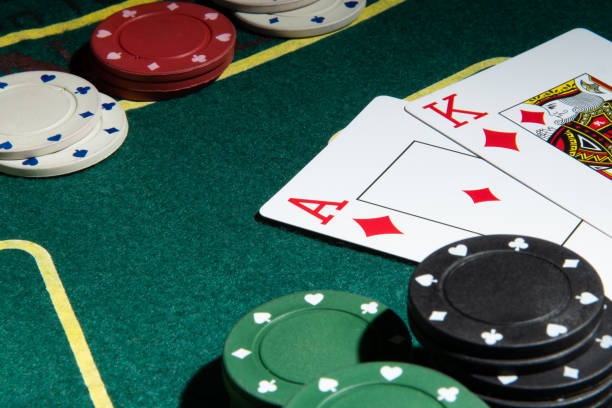
For instance, in blackjack, players who learn the basic strategy can effectively lower the house edge. This includes knowing when to hit, stand, or double down based on their hand against the dealer’s visible card. By mastering these strategies, players increase their chances of beating the house in the long run, demonstrating that not all games are created equal when it comes to player skill. This knowledge empowers players to approach the table with confidence, potentially leading to more favorable outcomes.
However, it is essential for players to recognize that even the best strategies cannot guarantee consistent profits. No matter how skilled a player might be, the time-tested reality remains that the house holds the ultimate advantage. Understanding the balance between luck and strategy can help players develop a more responsible approach to their gambling habits, ensuring they play for enjoyment rather than solely for profit. Emphasizing this balance can lead to a more fulfilling gaming experience, where the thrill of the game is appreciated without the pressure of unrealistic expectations.
Responsible Gaming: Finding Balance in Gambling
Engaging in casino gaming can be an entertaining pastime when approached responsibly. Understanding the myths surrounding casinos empowers players to make informed decisions. Instead of entering the gaming floor with unrealistic expectations, players should set clear limits on their time and money spent, fostering a healthier relationship with gambling. This approach encourages enjoyment of the experience rather than fixation on winning or losing, allowing players to appreciate the social aspects of gaming.
Additionally, recognizing the importance of taking breaks is crucial for maintaining a balanced approach. Continuous play can lead to emotional exhaustion and poor decision-making. Players should prioritize self-awareness, acknowledging when it’s time to step away and reassess their strategies. This not only contributes to a more enjoyable experience but also reduces the likelihood of chasing losses or falling into unhealthy gambling behavior. By fostering a culture of self-care and mindfulness, players can engage with gaming in a healthier manner.
In conclusion, the key to a fulfilling gaming experience is education. By debunking casino myths and understanding the mechanics of each game, players can engage with confidence and enjoyment. The combination of responsible gaming practices and a solid understanding of the odds can help foster a more sustainable and enjoyable gambling experience, allowing players to appreciate the thrill of the game without succumbing to the pitfalls of unrealistic expectations. Ultimately, informed players are more likely to enjoy their time at the casino, leading to a more positive overall experience.